Understanding the culture of Ranchi: how the city lives, celebrates, and connects
News
5
minute read
CULTURE
Understanding the culture of Ranchi: how the city lives, celebrates, and connects
Ranchi is not just about hills, parks, and food spots. Its real identity lies in its culture — deeply rooted in tribal traditions, nature, community living, and everyday simplicity.
For people new to the city, understanding this cultural fabric helps Ranchi feel less unfamiliar and more welcoming. You don’t need to travel far or attend big events — culture here is visible in daily life, local markets, music, food, and how communities come together.
At Oho Living, we believe settling into a city is easier when you understand how it thinks, celebrates, and lives.
Dance and music: the heartbeat of Jharkhand’s culture
Traditional tribal dances like Chhau, Jhumar, and Paika are expressions of daily life, harvest, courage, and community history. These performances are often seen during cultural programs, tribal festivals, university events, and local celebrations.
Folk music plays an equally important role. Instruments such as mandar, nagara, and bansuri are commonly used in local gatherings and rituals. The music reflects nature, farming cycles, and collective joy rather than performance alone.
For someone new to Ranchi, watching these performances is one of the most powerful ways to understand local emotions and storytelling.
Art, handicrafts, and visual traditions
Handicrafts made from bamboo, leaves, wood, and terracotta are widely available in tribal markets and government emporiums. These are not just decorative items but everyday objects shaped by generations of craftsmanship.
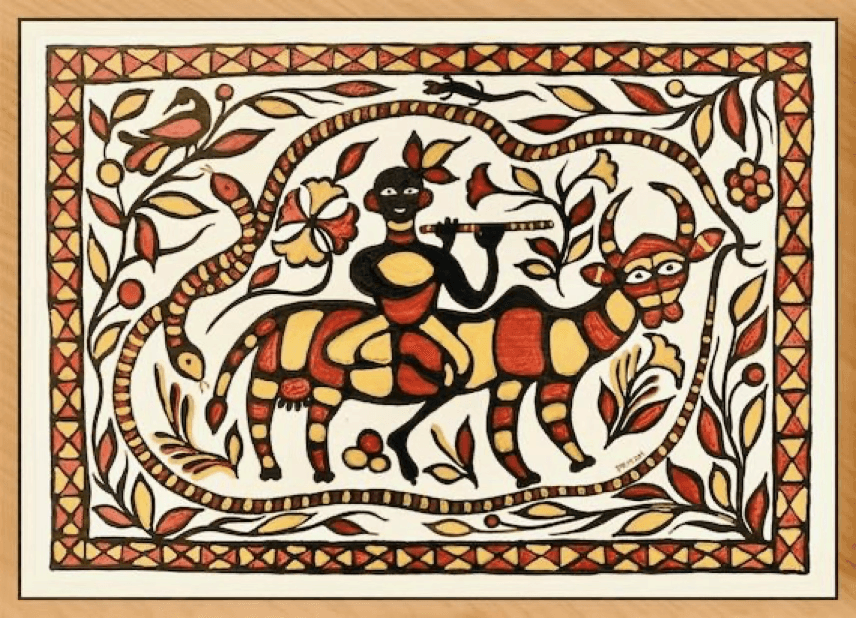
Sohrai and Khovar art forms are traditional wall paintings created using natural colours. Sohrai is linked to cattle worship and harvest, while Khovar is associated with marriage rituals. These artworks are commonly seen in villages, tribal homes, and cultural exhibitions and represent Jharkhand’s deep connection with nature and life cycles.
Dress, lifestyle, and everyday identity
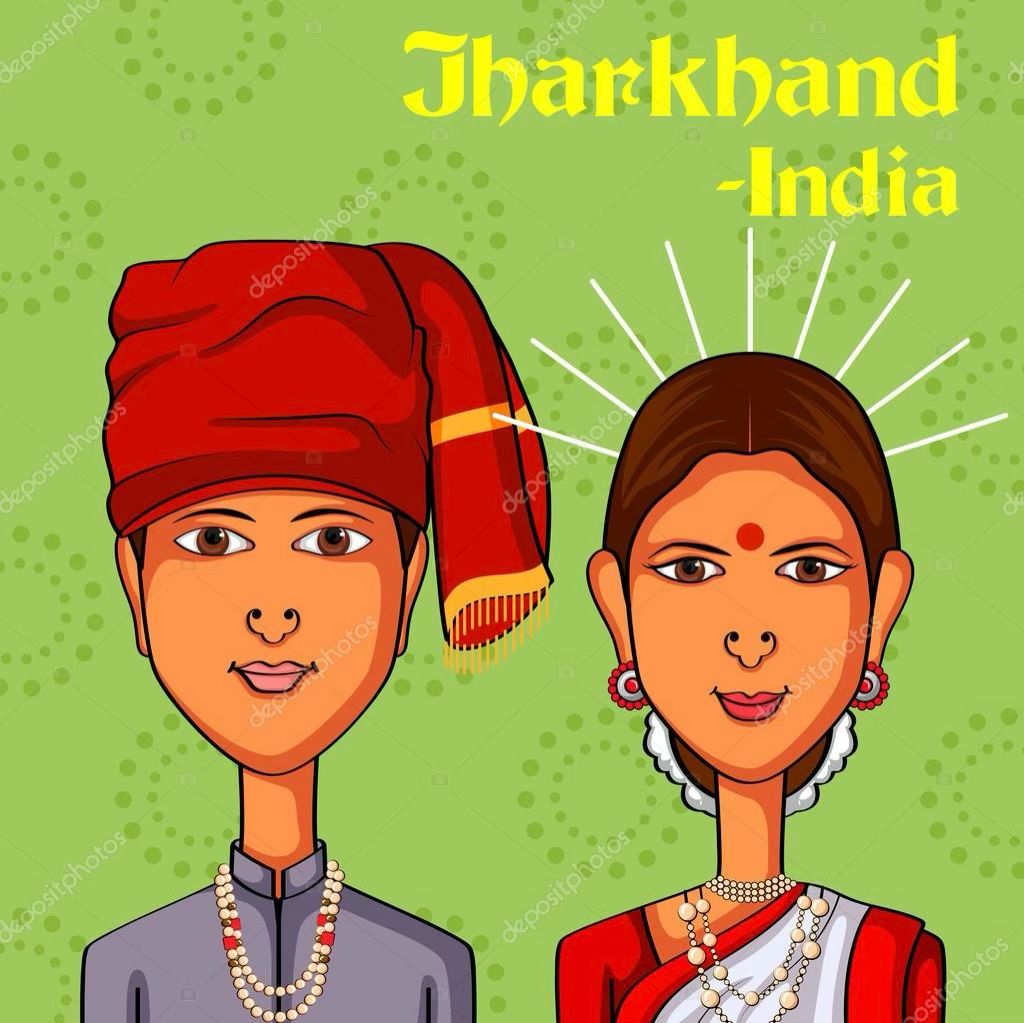
Traditional tribal attire reflects simplicity and function. Cotton sarees, dhotis, and handmade Dokra jewellery are worn during rituals, festivals, and even daily life in many areas.
Local markets and cultural shows offer a glimpse into these clothing styles, helping people new to the city understand how tradition and everyday living blend naturally in Ranchi.
Food culture and shared traditions
Local tribal cuisine is closely tied to the land. Dishes like dhuska, chilka roti, bamboo shoot curry, and handia are prepared using seasonal ingredients and traditional methods. These foods are commonly found in local dhabas, village kitchens, and during festivals.
Handia, a traditional fermented rice drink, holds special cultural significance. Its preparation is often a community activity and plays a role in rituals, celebrations, and social bonding.
Markets, storytelling, and community life
Weekly tribal haats are open-air village markets where people sell vegetables, forest produce, crafts, and handmade goods. These markets also reflect barter culture and strong community interaction.
Oral storytelling is another important cultural element. Elders pass down myths, legends, and moral stories through spoken word, keeping history alive without written records.
Community living and collective work remain central to rural life. Farming, decision-making, and celebrations are often done together, reinforcing a strong sense of belonging.
Spiritual beliefs and living with nature
Nature worship is deeply rooted in Ranchi’s culture. Trees, hills, rivers, and sacred groves are treated as living entities and worshipped accordingly. This belief system influences festivals, farming practices, and daily rituals.
Traditional farming methods follow seasonal cycles and use indigenous techniques, often supported by shared labour within the community.
Local architecture also reflects this harmony with nature. Mud houses and thatched roofs, built using locally available materials, are eco-friendly and climate-sensitive.
Language, games, and cultural preservation
Languages like Nagpuri, Kurukh, and Mundari are widely spoken, especially in rural areas. These languages are used in songs, stories, and everyday communication, keeping cultural identity alive.
Traditional tribal games and sports are played in community grounds and focus on teamwork, physical skill, and heritage.
Cultural education centres, museums, and academies in and around Ranchi work to preserve tribal history, art, and traditions, making them accessible to future generations and curious learners.
Why understanding culture helps you feel at home?
Culture in Ranchi isn’t something separate from daily life — it is lived every day through food, music, markets, language, and community interactions.
For people new to the city, learning about these traditions helps build respect, connection, and comfort. Living in neighbourhoods that stay connected to local life makes this journey easier and more meaningful.
Oho Living offers accommodation designed for working professionals, students, and people new to Ranchi who want to experience the city beyond just work and routines.
Live the culture, not just the city, with oho living
If you’re settling into Ranchi and want your living experience to include community, culture, and comfort, Oho Living is designed for you.
Stay connected to local life
Understand the city beyond tourist spots
Feel at home through everyday culture
Choose Oho Living and let Ranchi’s culture become part of your daily story.