Celebrating Bhubaneswar: festivals that help you feel part of the city
Insights
10
minute read
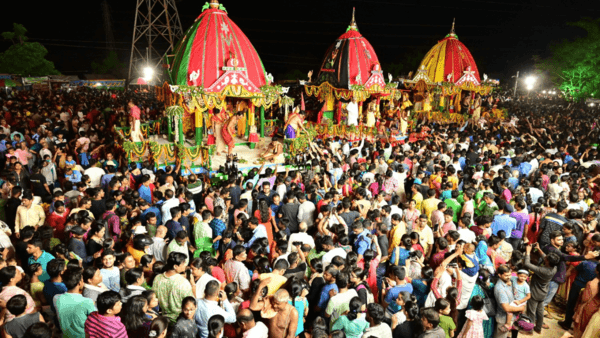
Settling into a new city becomes much easier when you start experiencing its festivals. In Bhubaneswar, celebrations are not limited to temples or stages — they spill onto streets, neighbourhoods, and everyday conversations. For newcomers, students, first-jobbers, creatives, and people building a life here, these festivals are often the first moments when the city truly feels welcoming.
• Rath Yatra
celebrated during june to july (ashadha shukla dwitiya), rath yatra brings the city together with grand chariot processions of lord jagannath, balabhadra, and subhadra. areas around the ISKON temple and old town come alive with devotion, music, and crowds. Even if you are new here, it is impossible not to feel included in the energy.
• Ashokastami
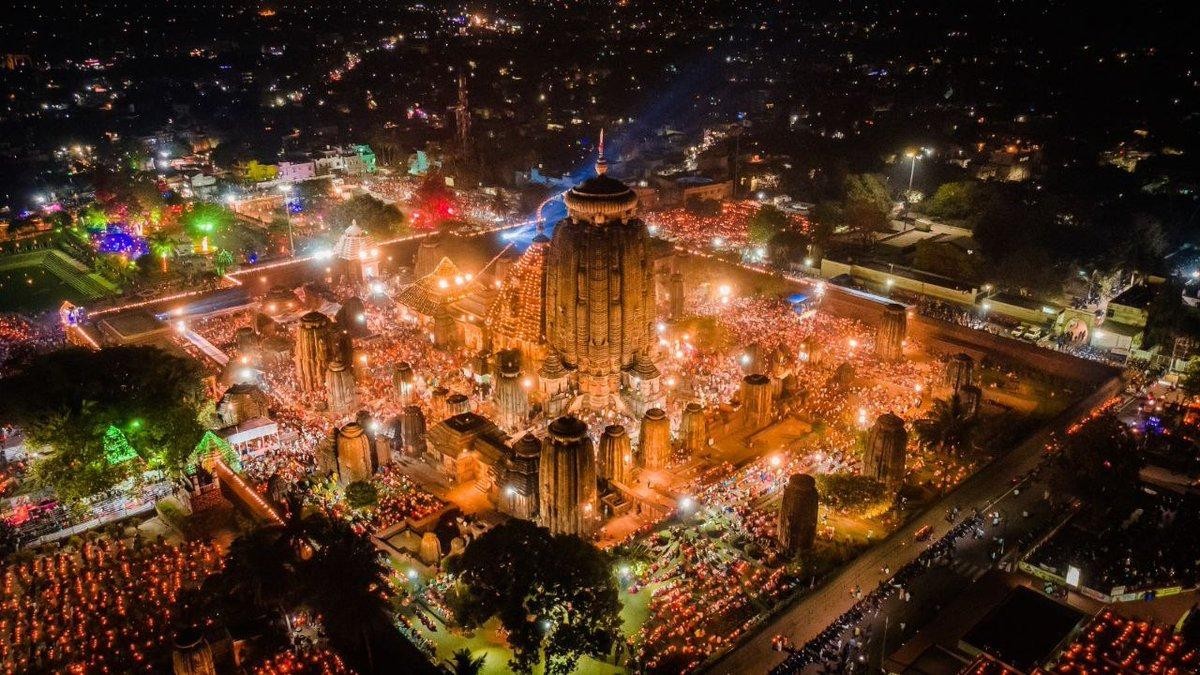
held in march or april (chaitra shukla ashtami), ashokastami is unique to bhubaneswar. lord lingaraj is taken out on a special chariot from the lingaraj temple, and the old town is filled with rituals and local traditions passed down through generations.
• Mahashivratri
observed in february or march (phalguna krishna chaturdashi), mahashivratri is marked by night-long worship at lingaraj temple and kapileswar temple. The atmosphere is intense yet calm, and many people visit temples late into the night, making it a deeply spiritual experience.
• Mukteswar Dance Festival
celebrated in january (pausha or magha), this festival turns the mukteswar temple into an open-air stage. classical dance performances against a historic temple backdrop create an unforgettable cultural evening, even for those attending for the first time.
Music, culture, and city-wide celebrations
• Rajarani Music Festival
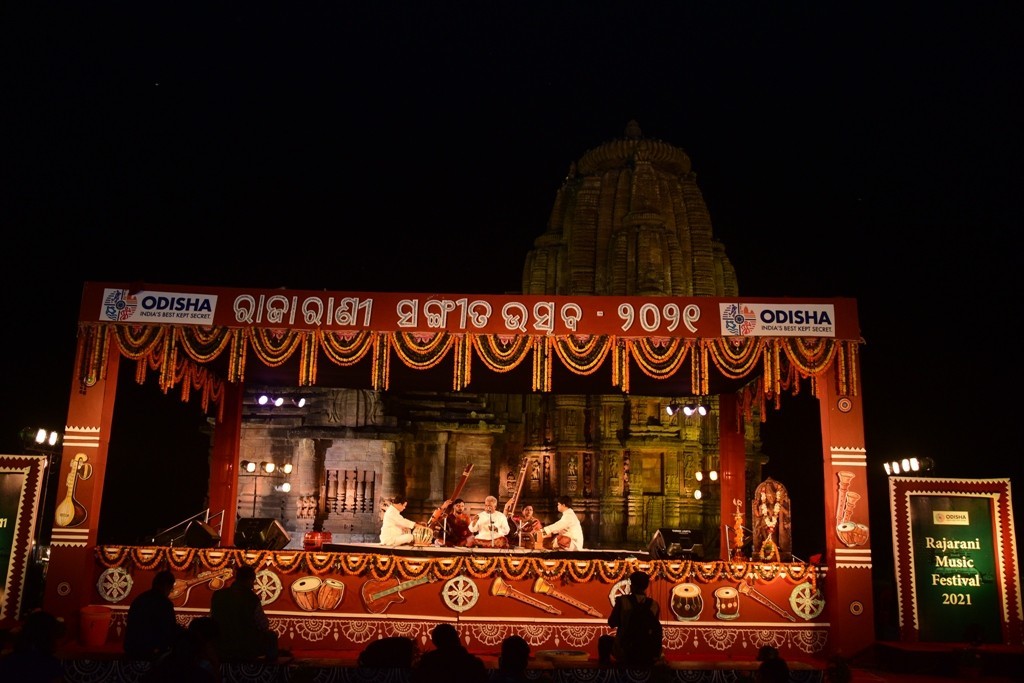
Held in January (pausha or magha), this festival celebrates Indian classical music at the rajarani temple. The setting, music, and open atmosphere make it a favourite among culture lovers and casual listeners alike.
• Ekamra Festival
also organised in january (pausha), ekamra festival showcases odia dance, music, food, and handicrafts. hosted at ekamra kanan or cultural grounds, it is one of the best ways to understand local culture in a short time.
• Durga Puja
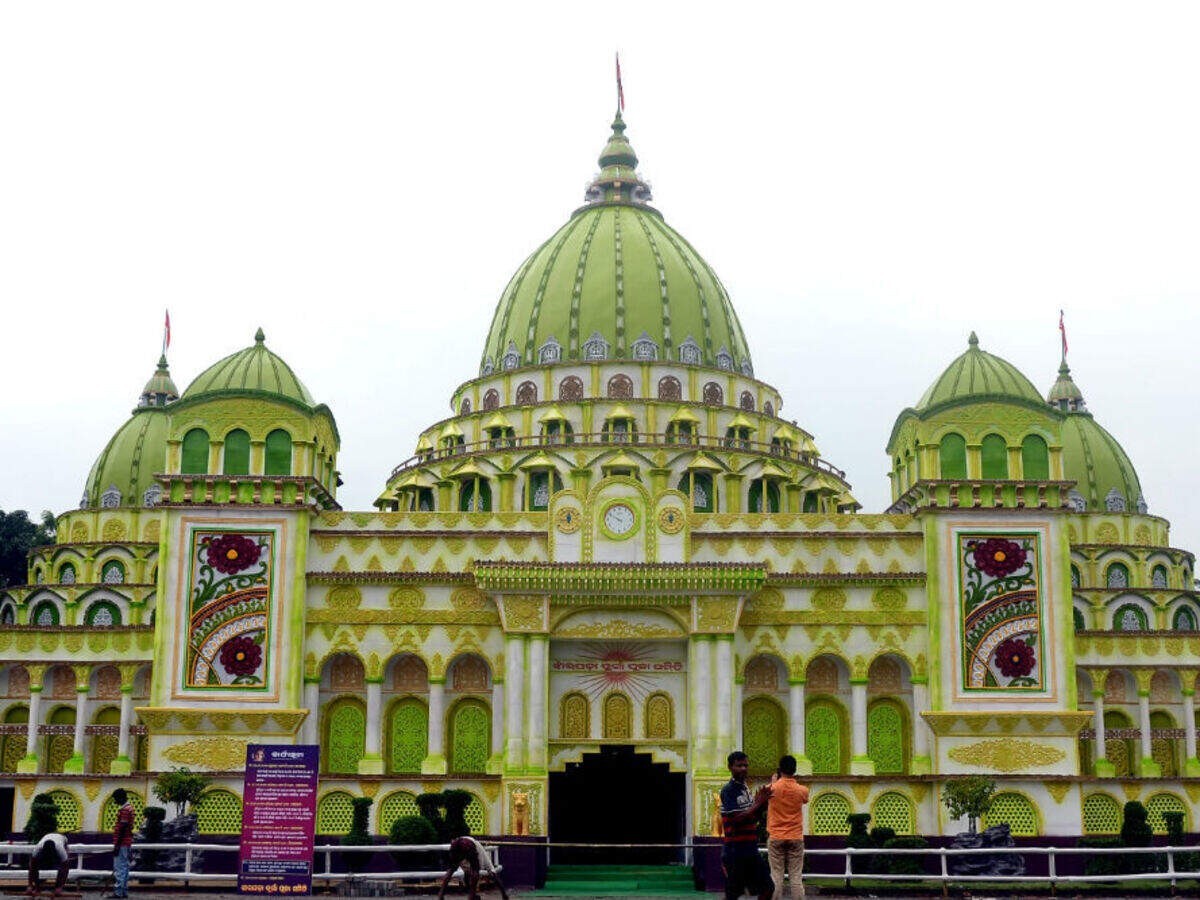
celebrated during september to october (ashwin), durga puja transforms the city. areas like saheed nagar and unit areas are filled with themed pandals, cultural programs, and late-night crowds. For many newcomers, this is when Bhubaneswar feels most alive.
• Kali Puja & Diwali
observed in October or November (kartik amavasya), kali puja and diwali light up old towns, temples, and residential areas. homes, streets, and markets glow with lamps and decorations, creating a warm, festive mood across the city.
Why do festivals matter when you are new to the city?
Festivals are often the moments when neighbors talk to each other, streets stay lively late into the night, and the city opens itself up. Attending even one or two celebrations helps you feel less like an outsider and more like someone who belongs.
This sense of comfort is deeply connected to where you live — how close you are to temples, cultural spaces, and community areas.
This is where OHO Living quietly supports your journey.
OHO Living offers thoughtfully managed living spaces for people who are new to bhubaneswar and want a smooth start. with homes located near key city areas, festivals, markets, and everyday conveniences, it becomes easier to step out, participate, and experience the city instead of feeling disconnected.
When your accommodation feels secure, social, and well-connected, celebrating the city comes naturally.
Because feeling at home in Bhubaneswar is not just about where you stay — it is about sharing its moments, traditions, and celebrations.