Culture of Indore: how the city lives, eats, and connects
Lifestyle
5
minute read
CULTURE
Culture of Indore: how the city lives, eats, and connects
Indore’s culture is not limited to monuments or festivals. It lives in morning breakfasts, evening walks, busy markets, shared food plates, and the way people welcome you into conversations with ease.
For anyone settling into Indore, understanding its culture makes daily life smoother — from knowing why mornings start with poha to why evenings belong to public spaces.
At Oho Living, we believe a city feels like home when you understand how it lives every day.
1.Indori street food culture: the heart of the city
Category: food culture
Where seen: Sarafa Bazaar, Chappan Dukan (56 Dukan)
Indore is widely known as India’s street-food capital. Food here is not occasional — it’s a daily social ritual. Streets come alive with poha-jalebi breakfasts, evening chaat runs, late-night Sarafa food walks, and endless varieties of sev and snacks.
Food brings people together across age groups, professions, and neighbourhoods.
Local insight: conversations in Indore often start with “khaana ho gaya?”
2.Poha–jalebi breakfast tradition
Category: food tradition
Where seen: local homes, breakfast stalls
In Indore, mornings are incomplete without poha and jalebi. This is not a weekend habit — it’s a daily lifestyle. Offices, colleges, and markets all start their day around this simple yet iconic meal.
For newcomers, adopting this breakfast is often the first step to feeling local.
3.Namkeen and snacks industry
Category: food and trade
Where seen: local shops, factories, wholesale markets
Indore is one of India’s largest producers of namkeen, sev, and savoury snacks. What starts as street food extends into a major trade and identity for the city, with Indori snacks found across the country.
4.Food here is both culture and commerce.
chappan dukan (56 shops): youth and social culture
Category: market and lifestyle
Where seen: New Palasia
Chappan Dukan is more than a food street — it’s a social space. Students, families, working professionals, and visitors gather here for casual eating and conversation.
It represents Indore’s relaxed yet lively urban culture.
5.Malwi language and dialect
Category: language and identity
Where seen: daily speech, markets, homes
Malwi is the local dialect of the Malwa region and shapes how Indore speaks. The language is warm, expressive, and informal, reflecting the city’s friendly nature.
Even when Hindi is spoken, Malwi expressions naturally appear in daily conversations.
6.Malwa folk music and bhajans
Category: music and oral tradition
Where seen: temples, cultural programs
Devotional singing, bhajans, and folk music are integral to Indore’s cultural rhythm. These performances are common during religious events, community gatherings, and festivals.
Music here often blends devotion with storytelling.
7.traditional malwa cuisine
Category: food heritage
Where seen: homes, traditional eateries
Malwa cuisine is hearty and seasonal. Dishes like dal bafla, bafla-baati, bhutte ka kees, kadhi, and sabudana preparations reflect agricultural roots and climate-friendly cooking styles.
Food is prepared generously and shared openly.
8.Textile and saree culture
Category: art and craft
Where seen: cloth markets, Rajwada area
Indore’s textile markets showcase Malwa cotton fabrics, sarees, and traditional draping styles. The old city areas remain important hubs for fabric trade and tailoring culture.
Shopping here is still relationship-driven rather than transactional.
9.Rajwada palace heritage
Category: architecture and history
Where seen: Rajwada Palace, Old City
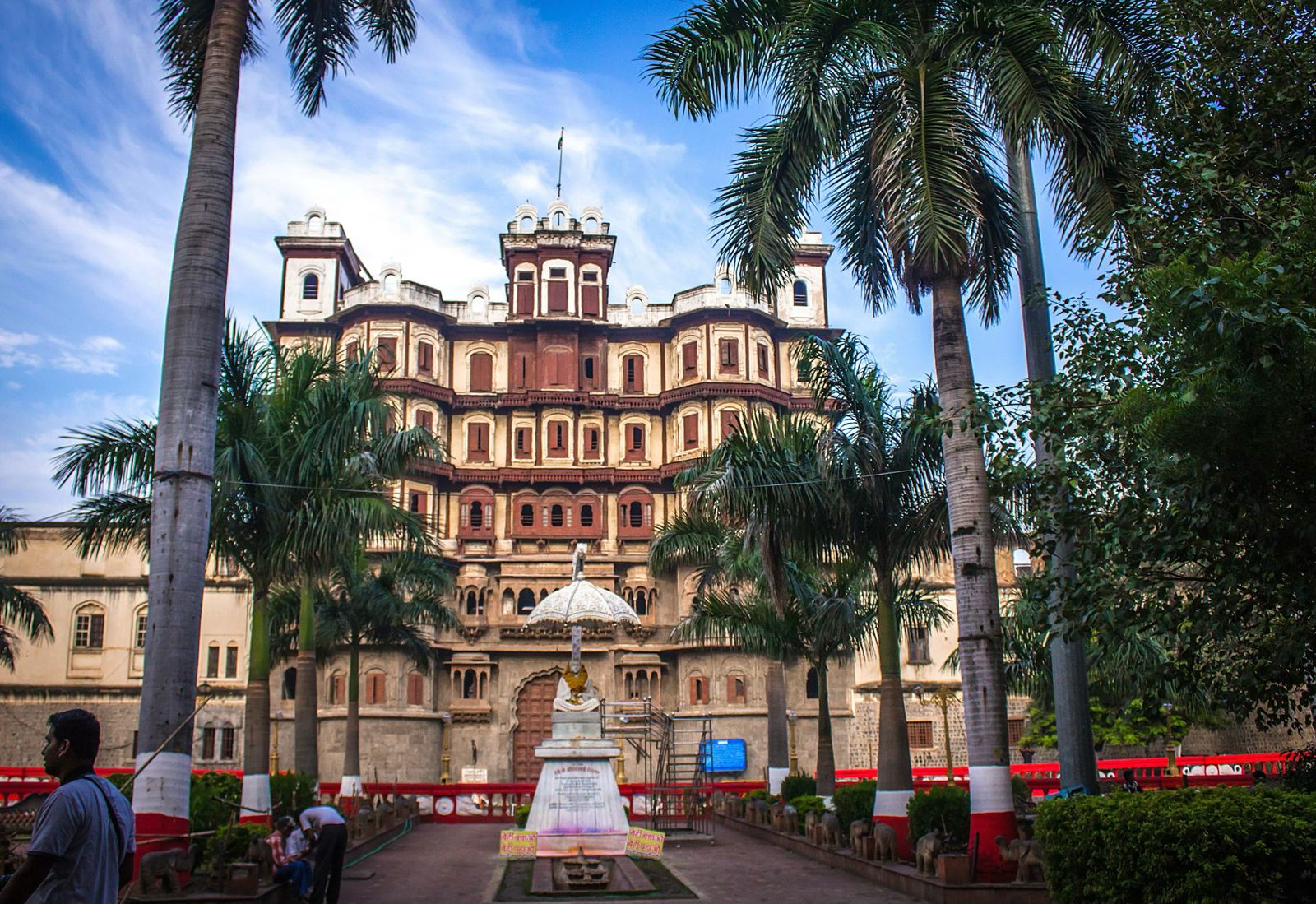
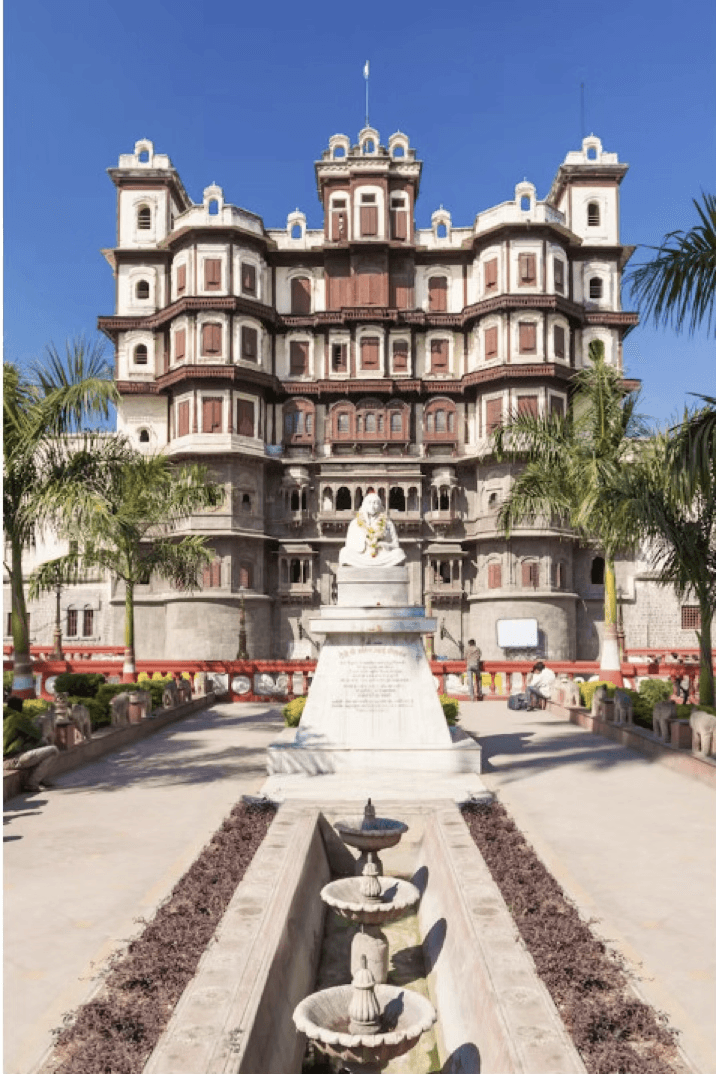
Rajwada Palace stands as a symbol of Indore’s Holkar-era past. Its architecture blends Maratha, Mughal, and European influences, representing the city’s layered history.
The surrounding area reflects old Indore’s trading, food, and social culture.
10.Community evening strolls
Category: lifestyle and social life
Where seen: Chappan Dukan, Meghdoot Garden, Nehru Park
Indore has a strong culture of evening walks. Families, couples, and groups gather in parks and public spaces to relax, eat, and socialise.
Evenings are community-driven rather than isolated indoors.
11.Cleanliness and civic pride
Category: civic culture
Where seen: across the city
Indore’s repeated recognition as India’s cleanest city has shaped a strong culture of civic responsibility. Clean streets, organised waste systems, and public awareness are part of everyday life.
Residents take pride in maintaining their surroundings.
12.Temple traditions and aarti culture
Category: spiritual practice
Where seen: Khajrana Ganesh Temple, Annapurna Temple
Daily temple visits, aartis, bhajans, and community prayers are part of Indore’s spiritual rhythm. Temples are social spaces as much as religious ones.
Faith here blends seamlessly with daily routine.
13.Trade and wholesale markets
Category: commercial culture
Where seen: Sitlamata Bazaar, Siyaganj
Indore functions as Malwa’s commercial hub. Textile, electronics, spice, and hardware markets support regional trade and employment.
Business culture here is built on long-term relationships.
14.Art and theatre culture
Category: performing arts
Where seen: Ravindra Natya Grih, cultural centres
Indore has an active theatre, literature, and performing arts scene. Local groups perform plays, poetry readings, and cultural programs, especially during festivals and weekends.
Why does understanding Indore's culture matters?
Culture affects how the city eats, works, relaxes, and celebrates. Knowing these rhythms helps newcomers settle faster and feel included rather than overwhelmed.
At Oho Living, our residences are designed around these cultural patterns — close to food hubs, social spaces, and everyday conveniences.
Live indore’s culture with oho living
If you’re new to Indore, culture becomes easier to experience when you live in the right neighbourhood.
Walk to food streets
Join evening social life
Feel connected, not crowded